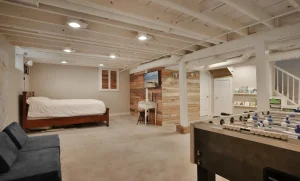

Many basements become storage spaces filled with boxes, tools, and old furniture. However, that extra room can serve a better purpose. You can turn it into a calm place for exercise, stretching, reading, or quiet time. You also don’t need costly machines or a large budget.
A useful basement wellness room should feel dry, clean, safe, and comfortable. Therefore, you should fix basic problems before choosing paint or furniture. Your room should also match your real habits. For example, you may enjoy yoga more than weight training. In that case, an open floor may help more than a large exercise machine. With a clear plan, your basement can support healthier daily habits. It can also give you a private place to rest and recharge.
Choose A Clear Purpose First
Before you buy anything, decide how you will use the room. This step will help you avoid wasted money. Some people want a simple workout space. Meanwhile, others want a quiet place for meditation or reading.
Write down the activities you already enjoy. For example, your list may include:
- Yoga
- Light exercise
- Weight training
- Stretching
- Meditation
- Reading
- Journaling
- Massage
- Quiet hobbies
However, do not plan around habits you may never follow. A large gym setup may look useful but stay untouched. Instead, focus on two or three activities you can enjoy each week. This choice will guide your layout and spending.
Also, think about who will use the room. A family space may need more storage and open space. A private room can feel more personal. Therefore, you can choose items based on your own needs.
Fix Water And Moisture Problems
Basements often collect moisture because they sit below ground. Therefore, you should check for water before starting any work. Look for dark marks, peeling paint, wet corners, or a musty smell. Also, check the floor after heavy rain. White powder on a wall may also show moisture. It forms when water moves through concrete or brick.
A dehumidifier may reduce normal dampness. However, it cannot repair a crack or active leak.
You should also check outside drainage. Gutters should stay clear, and downspouts should move water away from the home. If water keeps entering, speak with a trained basement repair professional. Fixing the cause now can prevent higher costs later. Moisture can damage flooring, furniture, and exercise mats. It may also lead to mold growth. Therefore, always solve water problems before covering walls or installing a floor.
Keep The Air Fresh And Comfortable
Fresh air can make exercise and quiet time more pleasant. However, many basements have weak airflow. First, check whether your heating and cooling system serves the basement. A qualified HVAC worker can check the current setup.
You may also use a fan to move air through the room. Meanwhile, an air cleaner can help reduce dust. Choose an air cleaner made for the room’s size. Also, keep space around it so air can move freely. A dehumidifier can help during wet months. Therefore, choose one with an automatic humidity setting.
The room should not feel too cold or too warm. Cold floors may make stretching uncomfortable. However, too much heat can make workouts tiring. Try to keep the temperature steady year-round.
You can also add a ceiling fan in a larger room. It can move air without taking up floor space.
Pick Flooring That Fits The Activity
Concrete floors feel hard and cold. Therefore, they may not work well for stretching or floor exercises. Your flooring choice should match the room’s main use. It should also handle normal basement moisture.
| Main Activity | Flooring Choice | Main Benefit |
| Yoga and stretching | Cork or padded tiles | Softer support |
| Weight training | Rubber tiles | Helps lower noise |
| Reading and rest | Vinyl with a washable rug | Easy to clean |
| Mixed activities | Interlocking tiles | Easy to replace |
Rubber tiles work well under weights and machines. They can also reduce noise from dropped items. However, some rubber products smell strong when new. Let them air out before using the room. Vinyl flooring can work well in a dry basement. It cleans easily and comes in many simple styles.
Avoid thick carpet if the basement has a history of water. Carpet can hold moisture and smells. Instead, use a washable rug in a dry seating area. You can remove it quickly if a leak happens.
Add Lighting For Every Activity
Many basements receive little sunlight. However, good lighting can still make the room feel open and comfortable. Do not depend on one ceiling light. Instead, use different lights for different needs.
Bright ceiling lights can help during workouts. Meanwhile, a floor lamp can support reading or quiet time. Dimmable lights can also help. You can use brighter light for exercise and softer light for meditation.
Consider adding:
- Ceiling lights for the full room
- A floor lamp near a chair
- Wall lights near exercise areas
- Small lights inside shelves
- Motion lights near the stairs
Choose warm light for rest areas. However, use clear, bright light near exercise equipment. Mirrors can also reflect light through the room. In addition, they can help you check your body position. Make sure you attach large mirrors to the wall safely. This step matters when children use the space.
Control Noise And Screen Time
Exercise equipment can create noise. Sound may also travel through floors, stairs, and air vents. Rubber flooring can help lower impact noise. Meanwhile, rugs and curtains can reduce echoes.
You may also add insulation during a larger basement project. However, this work may require professional help. Think about screen use as well. A television may help with guided workouts. However, it may also turn the room into another place for long screen time. Choose tools that support your main purpose.
A small speaker may be enough for music or guided breathing. Also, a phone shelf near the entrance can reduce distractions. You do not need to remove all devices. Instead, use them with a clear purpose.
Buy Only What You Will Use
Wellness products can become expensive. However, a better room does not always need more equipment.
Start with a few basic items. Then, use the room for several weeks.
You may begin with:
- One exercise mat
- A set of bands
- Light weights
- A foam roller
- Clean towels
- A water bottle
- A comfortable chair
After some time, you will understand what you truly need. Therefore, delay large purchases until your routine feels clear. For example, you may need better lighting instead of another machine. You may also need more floor space.
Simple equipment often works well for many exercises. In addition, it is easier to store. A clear room can also feel more inviting. Therefore, avoid filling every open area.
Start Small And Build Better Habits
A useful wellness room does not need to look expensive. Instead, it should make healthy choices easier each day. First, fix water, airflow, lighting, and safety problems. Then, add flooring and storage that support your routine. Begin with one activity area. For example, create a clean space for stretching and quiet breathing. You can add more items as your needs change. Therefore, you do not need to finish everything at once. Your basement can become a helpful part of your home. It can support movement, rest, and personal time. Contact Ground Up Construction to discuss a basement plan that fits your home, budget, and daily needs.